


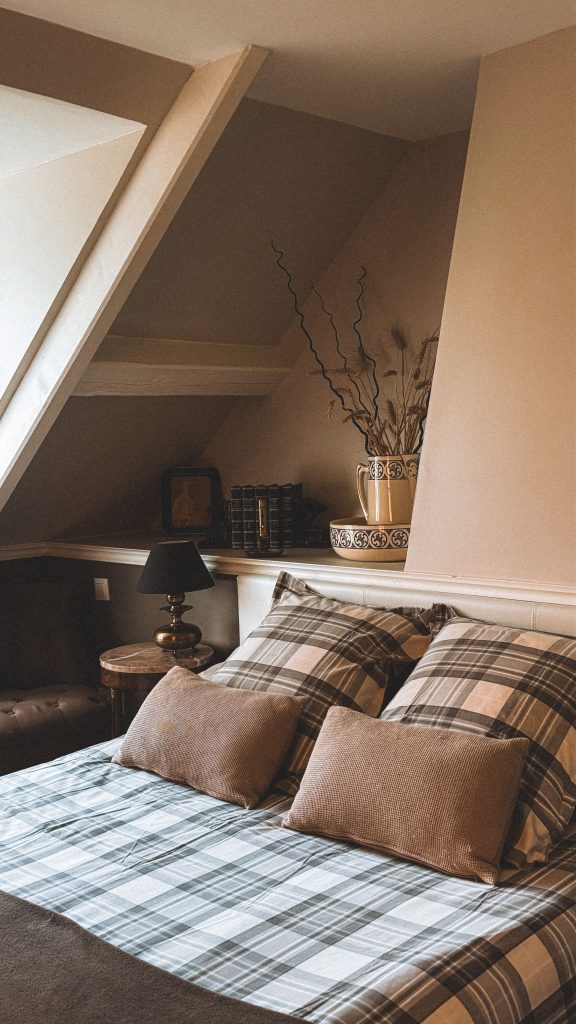
The Upper Tribunal (UT) has modified a restrictive covenant to allow a couple to run a bed and breakfast business from their home.
The couple owned a two-storey, four-bedroom house. In 2023 they had started running a B&B, having created two en-suite rooms for that purpose. A neighbouring house had the benefit of a restrictive covenant preventing business use of the couple’s house, while the couple’s house had a right of way over the neighbouring house’s driveway.
A family bought the neighbouring house in 2025. Shortly after moving in, they issued proceedings to enforce the covenant. The couple applied to the UT under Section 84(1) of the Law of Property Act 1925 to discharge or modify the covenant to permit them to continue the B&B business.
In the UT’s view, the overriding objective of the covenant was to preserve the amenity of the neighbouring house by limiting use of the couple’s house to a residential occupation that was compatible with the neighbouring house’s previous use as a nursing home. Although the couple had spent considerable time and money renovating and enlarging their house, by any objective measure the neighbourhood had not changed. The UT found that the covenant was still capable of fulfilling its original purpose and ought not to be deemed obsolete. It was accepted that the covenant impeded use of the couple’s house as a B&B, and the UT considered that that use was reasonable.
In the UT’s judgment, the covenant, insofar as it prevented the B&B use, provided the neighbouring family with the practical benefit of being able to apply some limit to who entered the grounds of their house. To a small degree, that restriction increased privacy and security. However, they had purchased a house with a driveway over which another house had a right of way, which meant that in the normal course of events there would be traffic and pedestrians traversing the driveway. The movements associated with the two B&B rooms were infrequent and rarely constituted most of the traffic. The UT concluded that the benefit was not of substantial value or advantage, and it thus had jurisdiction to discharge or modify the covenant.
Taking all the relevant factors into account, the UT found that the proper exercise of its discretion was to allow the application to modify the covenant. The covenant was modified to include an exception to the prohibition on business use, allowing no more than two bedrooms to be let to paying guests on a B&B basis. The UT did not regard the modification as substantial and determined that compensation of £10,000 was due to the family who owned the neighbouring house.